Simple Habits, Strong Savings
Discover practical steps to start and grow your savings. Small changes can make a big difference—learn how to save for emergencies, goals, and peace of mind.
Explore More Topics
What Does Saving Mean?
Saving is simply the act of putting aside money instead of spending it right away. Whether you save a little at a time or set aside larger amounts for big goals, savings can create a sense of security and open the door to future opportunities.
Why Does Saving Help?
Savings act as a safety net and a stepping stone. By building up reserves—big or small—you give yourself options: to handle the unexpected, say yes to special opportunities, or simply feel more confident day-to-day.
Even modest savings can reduce stress and help you plan for what matters most—whether that's a rainy day, a dream trip, or a new pair of shoes.
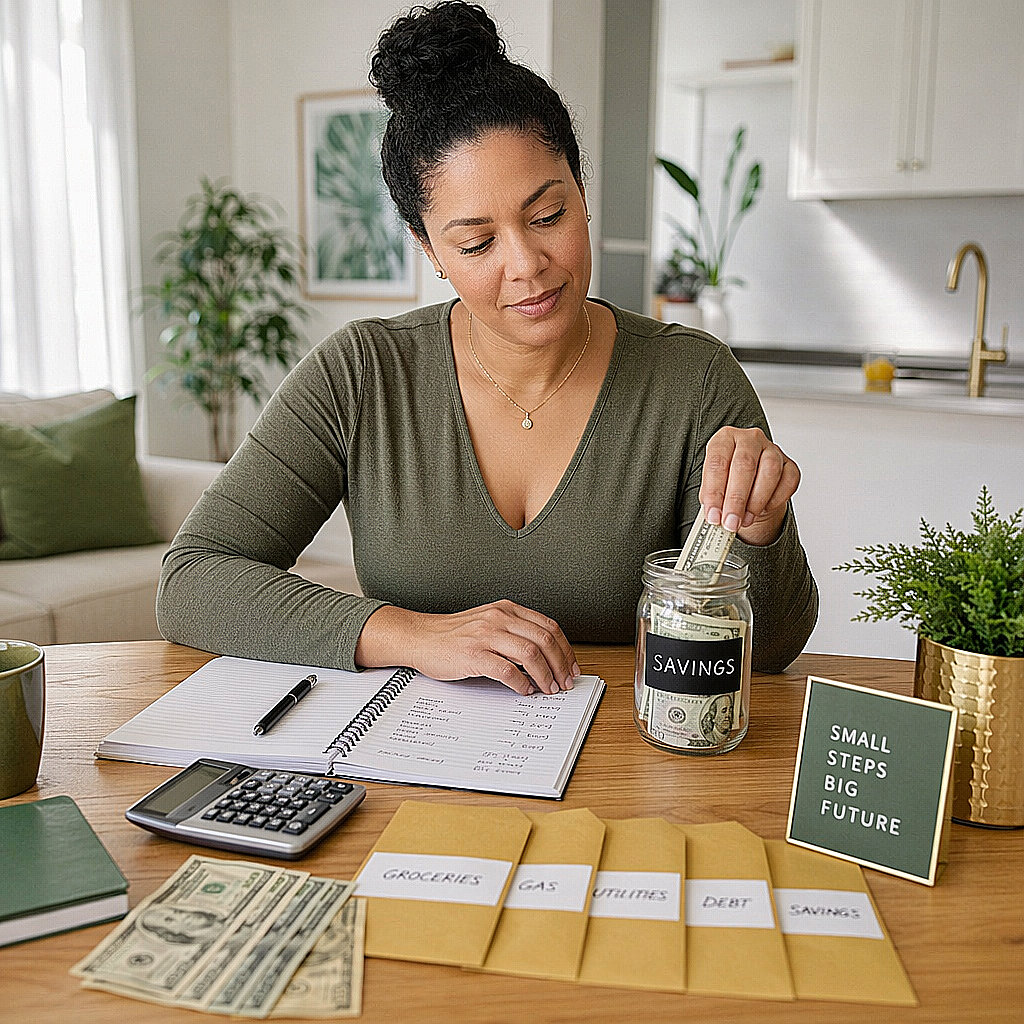
Common Savings Goals
Emergencies
Prepare for life's surprises—like car repairs, medical visits, or job changes.
Vacations & Fun
Save in advance for experiences, trips, hobbies, or special celebrations.
Big Purchases
Plan for things like replacing appliances, upgrading tech, or buying furniture.
Irregular Expenses
Set money aside for annual costs like insurance, car tags, or school fees.
Simple Saving Habits
-
1
Start small, but start now.
Even saving a few dollars each week adds up—consistency beats perfection. -
2
Automate savings if possible.
Set up automatic transfers to move a set amount from checking to savings. -
3
Keep savings separate from spending money.
Use a separate account or envelope so you’re less likely to dip in for everyday expenses. -
4
Plan for irregular or infrequent expenses.
Save gradually for things like holidays, car insurance, or back-to-school shopping.
Emergency Savings: The Basics
An emergency fund is money set aside for the truly unexpected—like car trouble, a medical bill, or an urgent home repair. Even a small emergency stash (such as $250–$500) can help reduce stress and keep you from relying on credit when challenges pop up.
Start with a small, achievable goal—and add what you can, when you can.
Saving Mistakes To Watch For
Setting goals too big, too fast.
Aiming high is great, but over-reaching can make saving feel impossible. Start with reachable goals and build gradually.
Mixing savings with spending funds.
When savings live in your main account, it’s easier to spend. Separate what you’re saving—even in a small way.
Treating savings as optional.
Make savings part of your plan, not an afterthought. Any amount—no matter how small—can help you make progress.
Helpful Reminders
- This page is for general informational and educational purposes only.
- We do not offer financial, legal, tax, or investment advice or services.
- Gran Financial LLC is not a financial advisor, tax professional, investment advisor, credit repair provider, or debt relief provider.
- Your financial situation is unique—consult qualified professionals before making decisions.
Frequently Asked Questions
Ready for More Money Clarity?
Keep learning about budgeting, organization, credit, and other everyday money skills in our growing education center.
Explore Financial Education