Organizing Your Personal Financial Information
Make everyday money matters easier and less stressful. Organize bills, statements, passwords, and reminders—find what you need when you need it.
Explore Simple Habits
What Does Financial Organization Mean?
Financial organization is about keeping your money-related information—like bills, account details, and reminders—in order, whether on paper or digitally. It helps you quickly access what you need and prevents important tasks from slipping through the cracks.
You don’t need complicated systems. Even simple habits can make managing your day-to-day finances much smoother and reduce money-related stress.
Why Does Being Organized Help?
Staying organized makes it easier to pay bills on time, avoid late fees, spot mistakes, and set clear money goals. Knowing where to find your key information brings clarity and peace of mind—especially when life gets busy or unexpected challenges arise.
Common Items To Keep Track Of
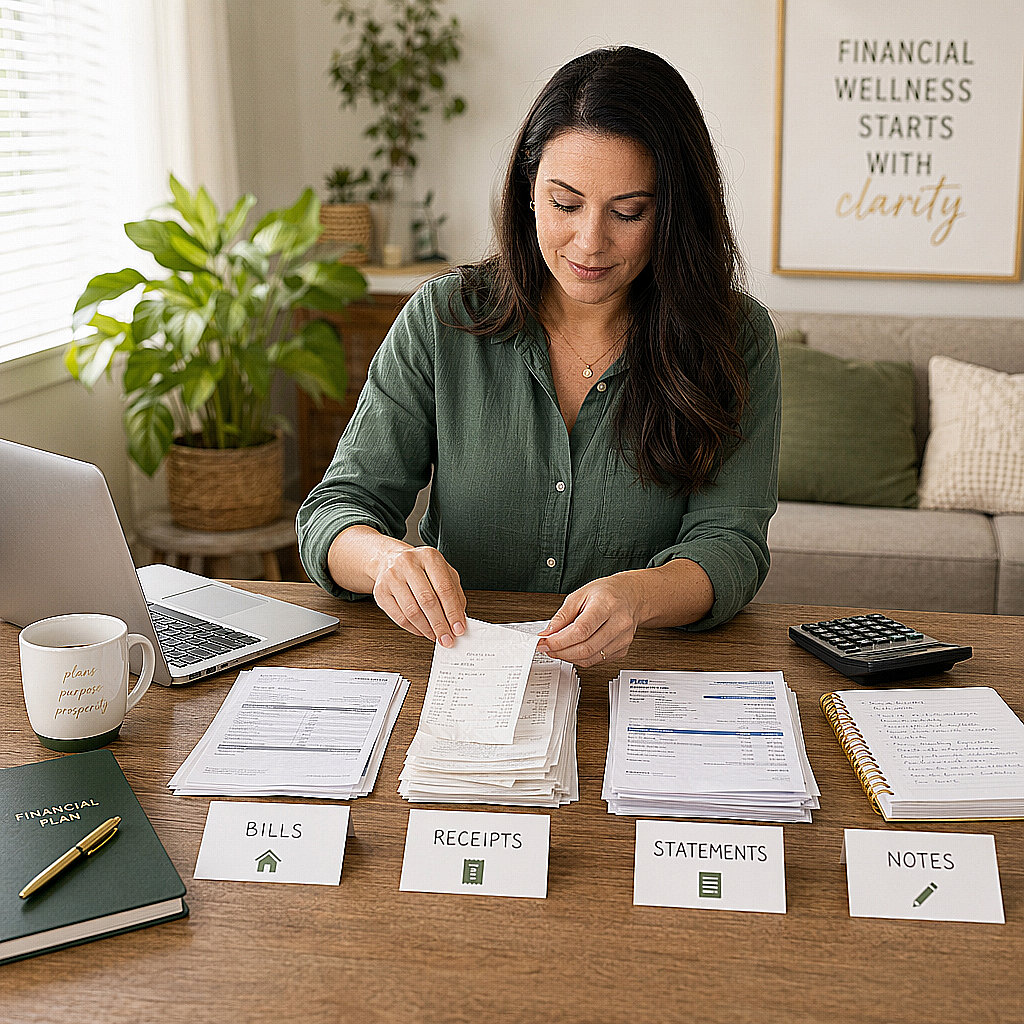
Bills & Due Dates
Track what you owe and when it’s due—utilities, rent, subscriptions, and more.
Bank & Account Statements
Save monthly statements or download PDFs to compare balances and catch errors.
Passwords & Login Info
Keep account logins in a safe place—consider a password manager or secure notes.
Receipts & Records
Hold on to receipts for returns, warranties, or tracking key purchases and spending.
Simple Organization Habits
- Pick a single folder (physical or digital) for your key financial documents.
- Set a weekly reminder to open mail, check statements, or organize receipts.
- Use a calendar (digital or paper) to track payment dates and renewals.
- Store passwords or login info securely—never on sticky notes or in plain files.
- Shred or safely delete old documents you no longer need.
How To Run a Monthly Money Review
- Review your past month’s bank statement and check for unusual or unexpected charges.
- Make sure all bills were paid on time and note any upcoming payments.
- Update your main document folder or digital files if needed.
- Shred, delete, or archive anything you no longer need safely.
- Set a small goal for next month—like paying a bill early or reviewing passwords.
Mistakes To Watch For
- Letting paperwork pile up: Waiting too long can make important information harder to find when you need it.
- Using the same password for every account: This can put your accounts at risk if one gets compromised.
- Forgetting to shred or delete old documents: Unneeded information can create clutter and could risk your privacy.
- Not keeping backup copies: If you only have one version and lose it, you may not be able to recover key details.
Helpful Reminders
- This page and site is for general educational and informational purposes only.
- Gran Financial LLC does not provide financial, tax, credit, legal, or investment services or advice of any kind.
- Always consult a qualified professional for individual financial, tax, or legal decisions.
- Your financial situation is unique—apply these organizational tips in ways that make sense for your needs.
Frequently Asked Questions
Ready For Even More Financial Clarity?
Discover helpful guides on budgeting, saving, credit, and more—each crafted to help you build confidence, one step at a time.
Explore All Financial Education Topics